Letters on Generosity · 17 November 2026
Running the Numbers: The Power of Compounded Generosity
Small regular gifts can add up to a real sum, and a shared fund can do more than a single large gift. This letter works through the arithmetic in plain steps, shows how a hypothetical fund might grow and points out where the simple sums stop being accurate.
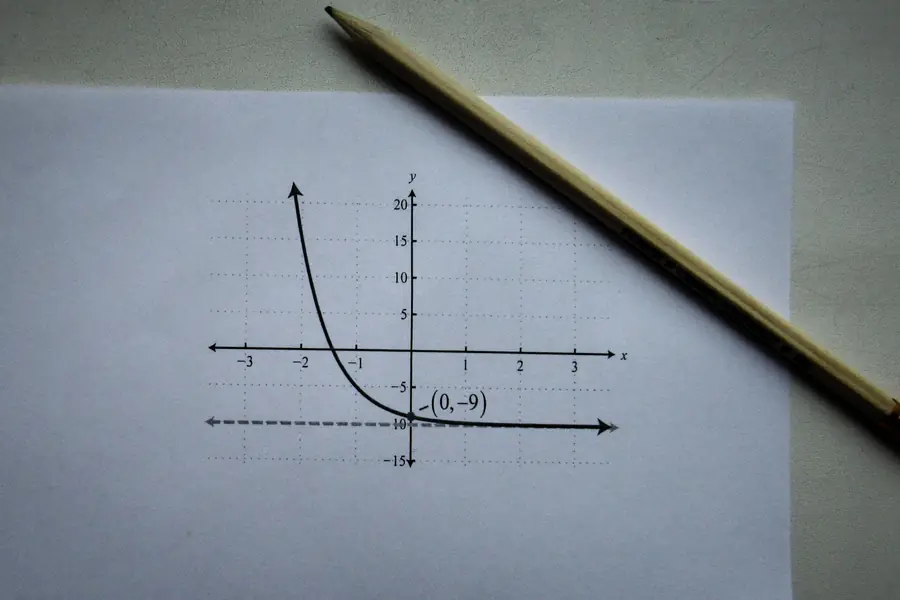
The Math Behind Small Donations
Start with the simplest case. If someone gives a fixed amount each month, the total after a year is that amount multiplied by twelve. Five units a month makes sixty units a year. Ten units a month makes one hundred and twenty. The arithmetic is exact, and it shows why a regular habit matters.
Multiply by the number of people who give, and the total grows again. Keep the units in one currency so that the sums are easy to check.
How Compounding Works in Giving
The phrase compounded generosity is a metaphor. In finance, compounding means that interest is earned on earlier interest. In giving, the effect comes from reuse. When money given to a fund helps a person who later contributes back, or when a fund is refilled from a stream of gifts, the same units can serve more than one need.
That effect is real only if the fund is actually reused. A gift spent once does not compound.
Case Study: A Community Therapy Fund
The example below is hypothetical. Imagine a shared fund that starts with a sum from several people. Each month, a small number of members receive a share of the fund for a session, and the members who can pay more top it up. If the top-ups stay above the payouts, the fund keeps going. If the payouts grow faster, it shrinks.
The example is useful because it shows the key variable: the balance between what comes in and what goes out. It does not describe any real group.
Visualizing the Impact Over Time
A chart is often the clearest way to show growth over time. Plot the balance at the end of each month and mark the months when the fund paid out. The line will show whether the fund is stable, rising or falling, and the marks will show what caused each change.
Use a simple table if a chart is not available. A column for the month, one for the amount in and one for the amount out is enough to test the model.
Encouraging Regular Contributions
Regular giving works best when it is easy to keep up. A standing monthly transfer, a reminder and a clear statement of where the money goes all help. Some people prefer to give a fixed share of their income, which adjusts when their income changes.
Avoid pressure. A giving habit that depends on guilt does not last, and a fund built on it can be fragile.
Tools for Tracking Collective Generosity
Keeping track of a collective fund needs a simple record. Note each contribution, each payout and the balance. A spreadsheet is usually enough. Review the record at a fixed interval and share a short summary with the people who contribute.
The purpose of the tracking is to keep the fund honest. It is not to create a sense of competition between givers.
Inspiring Stories of Compounded Giving
This letter does not include invented stories of people who were helped. A story can be moving, but it can also hide the numbers that matter. Where a story is used, it should be labelled, and the arithmetic behind it should be available to the reader.
The honest version of the topic is the one you can check yourself.
Frequently asked
How much difference can $5 a month make?
Five units a month is sixty units in a year. Whether that makes a difference depends on the cost you want to meet and on how many people give. Work out the total for your own group before you decide what to aim for.
What is compounded generosity?
It is the idea that gifts can be reused so that one unit of money serves more than one need over time. The effect depends on the fund being refilled and on clear rules for who can draw on it.
Are there online calculators for this?
Yes, a spreadsheet can model a simple fund with a few inputs: contributions, payouts and the starting balance. Build the model yourself so that you understand each assumption.
How can I start a giving circle?
Start with a small group that agrees on a simple rule, a clear record and a fixed review date. Write down the purpose of the fund and who decides the payouts before the first contribution.